Maintenance Requirements Associated With Wood Wall Paneling
Posted on 14 November 2025 by lucindapowell — 4 min
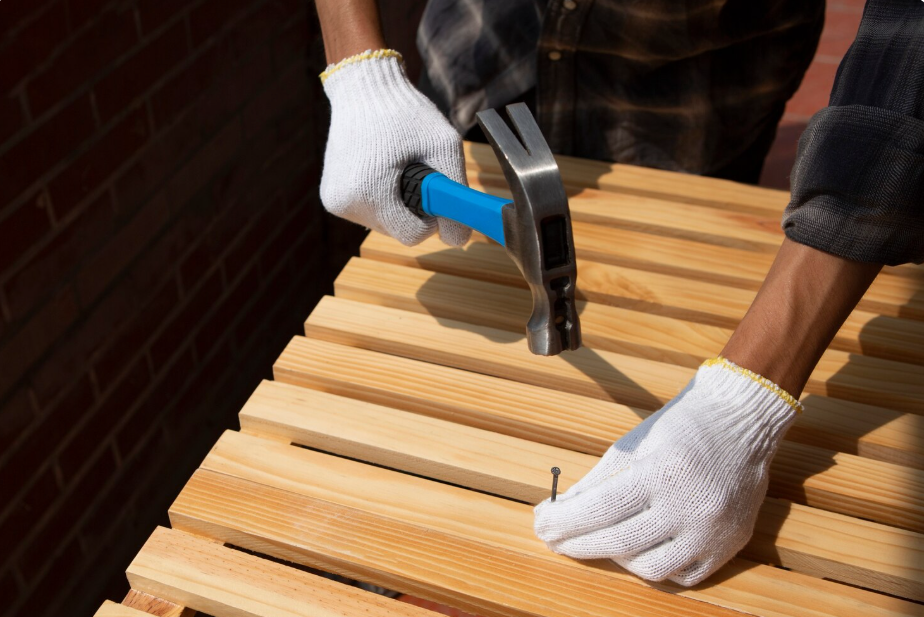
Wood wall paneling is highly valued for its warmth, durability, and texture in interior spaces. Despite being a durable wall solution, it requires routine upkeep to maintain both its appearance and performance. Proper maintenance ensures that paneling will continue to enhance interior spaces over time, in addition to preventing surface deterioration and maintaining the gloss of the wood. By understanding the maintenance needs, homeowners and commercial users can protect their investment and extend the life of wood wall panels.
When properly cared for, wood paneling is both aesthetically pleasing and structurally sound for many years.
Routine Cleaning and Surface Care
One of the most crucial maintenance duties for wood wall paneling is routine cleaning. The surface may become dull due to the buildup of dust, airborne particles, and common residue. Without harming the wood fibers or protective coatings, gentle cleaning techniques aid in maintaining the finish.
For regular cleaning, dry or slightly moist towels are usually adequate. Because they can erode surface finishes and reveal the wood beneath, harsh chemicals and abrasive instruments should be avoided.
Protection Against Moisture and Humidity
Controlling moisture is essential to the upkeep of wood wall panels. The dimensional stability of wood may be impacted by high humidity or extended exposure to moisture. This could eventually lead to finish deterioration or surface distortion.
The paneling is shielded from stress brought on by expansion or contraction by maintaining controlled indoor humidity levels. Moisture control is also aided by adequate ventilation, especially in places with shifting weather conditions.
Importance of Surface Finish Maintenance
For wood wall panels, surface coatings serve as a barrier. Finishes may gradually deteriorate over time as a result of contact, cleaning, or exposure to light. The effectiveness and integrity of protective coatings are guaranteed by routine inspection.
Reapplication or touch-up treatments aid in restoring surface integrity when finishes start to lose their protective properties. Sustaining the finish guarantees ongoing resistance to surface abrasion, fading, and stains.
Key Maintenance Practices for Wood Wall Paneling
A few standard procedures should be followed in order to maintain wood wall paneling in ideal condition:
- Frequent dusting to avoid accumulation
- Steer clear of too much wetness when cleaning
- Keeping an eye on the humidity levels inside
- Surface finish examination on a regular basis
These methods enhance wood paneling's longevity and attractiveness.
Managing Wear in High-Use Areas
Wood wall paneling may sustain localized wear in places where there is a lot of touch, such shared interiors or hallways. Surface quality can be gradually impacted by moving furniture, touching it frequently, and cleaning.
Strategic placement and careful interior design are examples of protective measures that lessen direct effect. Early resolution of small surface problems avoids the need for larger repairs down the road.
Repair and Refinishing Considerations
The fact that wood wall paneling may be fixed rather than replaced is one of its benefits. Refinishing procedures can often be used to fix minor surface defects or scratches. Modular paneling systems minimize interruption by enabling the individual replacement of damaged portions.
Wood paneling is a workable long-term solution because refinishing preserves the panel's original structure while restoring its beauty.
Maintenance Differences in Residential and Commercial Interiors
Depending on how the space is used, different maintenance needs apply. Standard cleaning and inspection procedures are necessary since residential interiors usually sustain considerable damage. Due to increased utilization, commercial settings, such as workplaces and hospitality venues, may require more frequent maintenance.
Consistent panel performance and attractiveness are ensured by adjusting maintenance schedules according to usage intensity.
Long-Term Performance and Care Planning
Wood wall paneling ages more gracefully with proactive maintenance planning. Long-term stability is influenced by timely surface care, regulated environmental conditions, and scheduled inspections. Wood paneling continues to function as designed with little assistance when maintenance is integrated into regular interior upkeep.
Conclusion
To maintain its structural integrity and aesthetic appeal, wood wall paneling needs careful upkeep. Paneling retains its functionality over many years of usage by routine cleaning, moisture management, finish care, and prompt repairs. Wood wall paneling continues to be a dependable and appealing interior wall option for both residential and commercial spaces by being aware of and adhering to the necessary maintenance needs.